Start with doors that close and lock reliably, then pick hardware that fits them. A job site container with several daily users needs a simple closing routine as much as it needs a sturdy padlock.
List the doors people actually use
Mark the cargo doors, side openings and any office door on the plan. Decide who needs access and at what times. Extra openings may make sense for the job, but each needs working hardware and a place on the closing checklist.
Put the working doors where people can see them
If practical, orient the main entrance toward a used and lit area while keeping the loading route clear. Keep planned cameras in mind when you place a second container, fence or stack of pallets.
Check the door before buying a lock
Use the offered unit to check alignment, hinge movement and the closing rods. A stronger lock won’t fix a damaged keeper or a door that can be left partly open. Get the seller to show both doors latched.
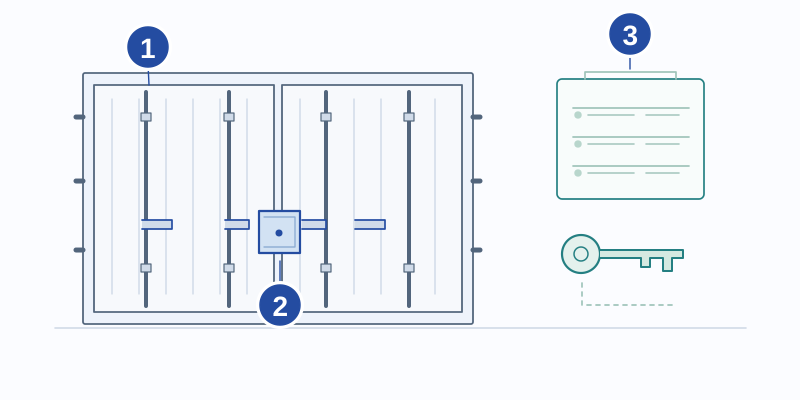
Visual reference
- Doors and locking bars
- Additional protection
- Key management
Illustrative diagram, not to scale.
Match the padlock to the lockbox
Ask for the clear dimensions inside the lockbox and the required shackle size. Check that you can get the key in and remove the lock with work gloves on. Make sure the box shields the exposed part of the shackle without blocking normal use.
Have new hardware fitted to the actual door
Ask how the seller will mount a lockbox or hasp on that model and how the door finish will be protected where it’s fitted. Test the full door movement and the lock before accepting the work.
Make a closing routine the crew can repeat
Assign responsibility for the last check on each shift. At multi-door units, walk each opening and verify it is latched and locked. If crews change, record who holds keys or codes and replace access that should no longer work.
Test lights, cameras or alerts where they’re installed
Check the door area at the hours you want coverage. If you rely on alerts, decide who receives them and what to do when the signal or power goes out.
Get the hardware listed on the purchase quote
Ask the seller to name the lockbox, locks, installation and repair work included. Check whether the same hardware is supplied on the other entrances if you are buying a double-door or side-opening model.
Check this before approving the lock
- All working doors close and latch on the offered unit.
- The lock fits the box and can be opened in normal use.
- Every entrance has someone responsible for closing it.
Find the right type of container
Containers to compare
Estimates in USD before applicable sales tax, delivery and unloading. The seller confirms taxes and the complete price for your delivery address.
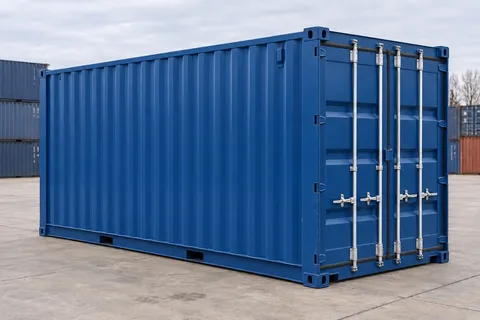
CA-20-STANDARD-NEW-BLUE
20ft Standard container · New · one trip · Blue
New · one trip / Blue
$2,020Before applicable sales tax
Request a quote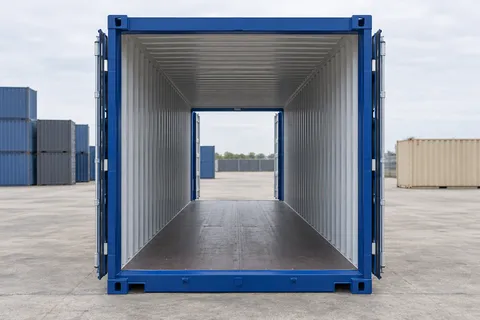
CA-20-DOUBLE-DOOR-NEW-BLUE
20ft Double Door container · New · one trip · Blue
New · one trip / Blue
$3,320Before applicable sales tax
Request a quote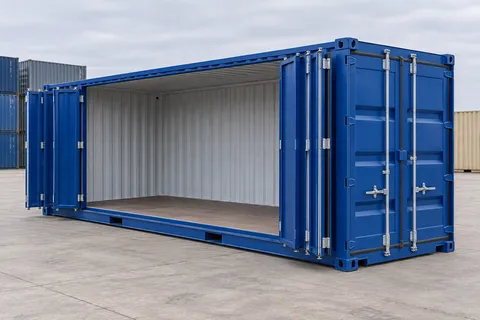
CA-20-OPEN-SIDE-NEW-BLUE
20ft Open Side container · New · one trip · Blue
New · one trip / Blue
$5,340Before applicable sales tax
Request a quotePractical questions
Is a lockbox included with every shipping container?
Ask the seller to identify the hardware on the offered doors and send a photo. If you want a fitted lockbox or a compatible padlock, have those listed in the quote.
How should I secure a container with doors at both ends?
Check the closure and lock hardware at both ends, including the end you rarely use. Include both positions in the closing walk-through and check whether a fence or other obstacle prevents easy access to the lock.
Technical references
- Conexwest shipping container lockbox
Example of hardware designed to shield the padlock shackle.