Draw the route the truck drives, the space it uses to unload, and the surface where the container will rest. A level pad helps the doors stay aligned, and the truck needs firm ground all the way to the drop spot.
Mark the approach, working area and final pads
On a site sketch, mark the gate, tightest turn, any sloped transition and the full drop spot. Note where the truck or crane would stand. The carrier needs to assess this area even if the container itself will sit on concrete.
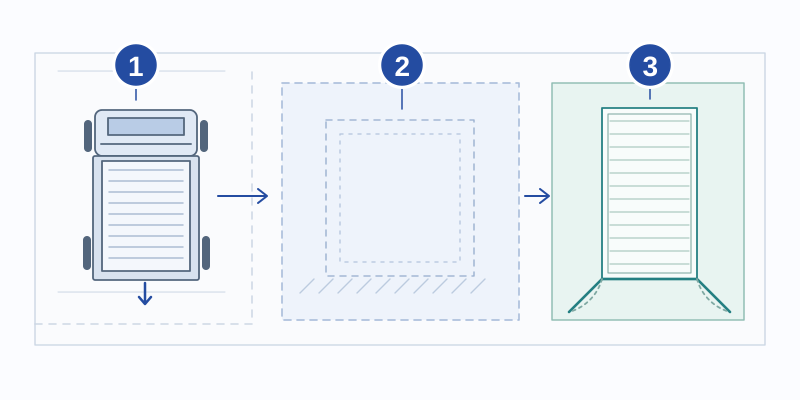
Visual reference
- Truck access
- Working area
- Position and doors
Illustrative diagram, not to scale.
Look at the surface after rain
Check for soft spots, ruts and low areas that hold water. Tell the carrier if it has to cross grass, fill or a buried culvert. If the spot changes with the weather, arrange in advance what will happen if the carrier can’t use it on delivery day.
Agree on support points for the actual container
Send the model and intended loads to whoever is designing the support. Ask which points must bear, how the support height will be set and what changes for a loaded or modified box. For a slab, get its suitability checked before assuming it can carry both the box and the truck.
Plan drainage and locate utilities before digging
Keep runoff from pooling at the supports or washing them out. If preparation involves digging, contact 811 and follow the instructions for your state before work starts. Identify private lines or septic equipment with the property owner and contractor as part of the site plan.
Keep doors and equipment accessible after placement
Draw the door swing and approach for a ramp, cart or pallet jack. For an office or reefer, keep a route to the power connection and service panels. Think about where future fencing or parking will go while there’s still time to change the position.
Ask the local office about the specific use
Send the proposed position, use and duration to the local building or zoning office. Ask about placement, setbacks, anchoring and utility connections that apply at the address. For rented property, get the owner’s approval as well.
Check after placement and after the first heavy rain
Test the doors once the driver confirms it’s safe. If they bind or a support looks uneven, ask the installer to check it. After rain, look for pooling or erosion around the support points.
Before any site work starts
- Send the carrier a full site sketch and current photos.
- Agree on drainage and the supports for the chosen model.
- Resolve utility locating and local placement requirements.
Find the right type of container
Containers to compare
Estimates in USD before applicable sales tax, delivery and unloading. The seller confirms taxes and the complete price for your delivery address.
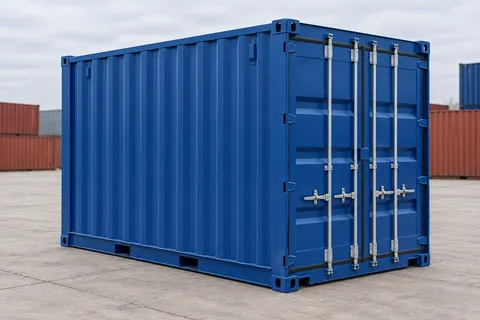
CA-10-STANDARD-NEW-BLUE
10ft Standard container · New · one trip · Blue
New · one trip / Blue
$2,820Before applicable sales tax
Request a quote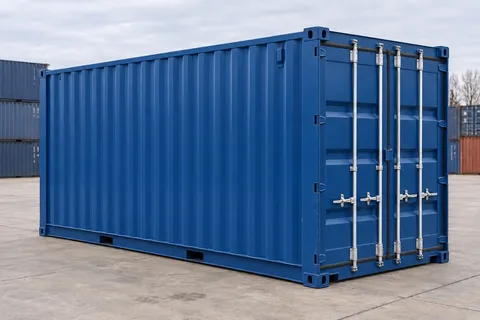
CA-20-STANDARD-NEW-BLUE
20ft Standard container · New · one trip · Blue
New · one trip / Blue
$2,020Before applicable sales tax
Request a quote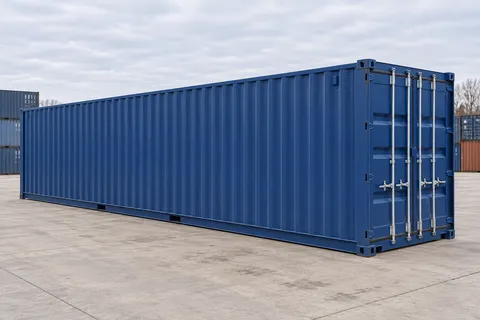
CA-40-STANDARD-NEW-BLUE
40ft Standard container · New · one trip · Blue
New · one trip / Blue
$3,030Before applicable sales tax
Request a quotePractical questions
Can I put a container straight on gravel?
Ask whether the gravel is compacted and whether the ground below can support the unit and intended load. Agree on the support layout with the supplier or contractor. Have the carrier check its working surface separately.
Can I put it on an old driveway?
Have the owner or contractor confirm what the pavement and its base can support at the container’s bearing points. Ask the carrier about loads from its truck and any unloading equipment along the route.
Technical references
- Boxhub container placement guide
Site access, firm ground and common support options.
- Conexwest foundation drainage guide
Drainage planning around a supported container.
- Call 811 before you dig
Utility marking before excavation.
- USAGov local government directory
Find the public office responsible for site-specific placement rules.